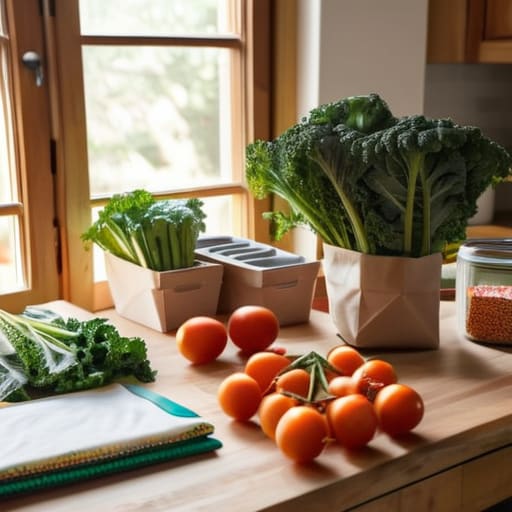
Have you ever stood in the middle of a grocery aisle, staring at a “sale” sign, only to realize you’re still spending a small fortune every single week? It’s incredibly frustrating when all the “hacks” you see online involve clipping physical coupons or spending three hours meal prepping on a Sunday. Honestly, I used to think that learning how to save on groceries meant sacrificing my sanity or eating nothing but bland beans and rice. I was so caught up in trying to follow every complex budgeting trend that I ended up more stressed and broke than when I started.
I’m over the complicated nonsense, and I bet you are too. In this post, I’m stripping away the fluff to share the actual, streamlined systems that work for real people with busy lives. We’re going to focus on small, actionable shifts—the kind you can actually stick to without needing a PhD in organizational psychology. I promise to give you my most honest, no-nonsense strategies to help you reclaim your budget and your time, one grocery run at a time. Let’s get into it!
Table of Contents
Mastering Meal Planning for Beginners to Simplify Your Week
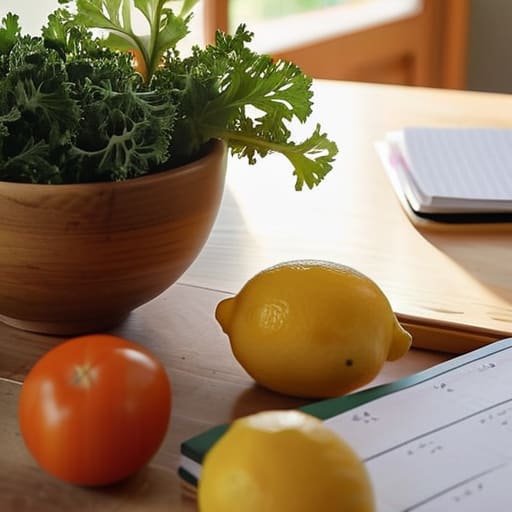
If you’re feeling overwhelmed by the idea of prepping meals for the entire week, let’s take a deep breath. You don’t need to be a gourmet chef or spend your entire Sunday in the kitchen to make this work. For me, meal planning for beginners is all about starting small—maybe just planning three dinners instead of seven. I love sitting down with my color-coded planner on Friday afternoons to map out my week. It helps me visualize exactly what I need so I’m not wandering aimlessly through the aisles, which is usually when those “impulse buys” start creeping into my cart!
Once you have a rough plan, the real magic happens when you connect it to your shopping list. This is where you can really start reducing food waste at home by only buying what you actually intend to cook. I’ve found that if I check my pantry first, I can build meals around what I already have. It’s such a satisfying way to clear out the clutter and keep your budget on track. Trust me, once you get into a rhythm, it feels less like a chore and more like a superpower for your weekly schedule.
Smart Grocery Shopping Habits for a Faster Cheaper Trip
Once you’ve got your meal plan ready, the next step is actually conquering the store aisles without breaking the bank. I used to wander aimlessly through the supermarket, tossing things into my cart just because they looked tasty, but that was a recipe for a massive receipt! Now, I stick to a strict list. One of my favorite smart grocery shopping habits is to never shop when I’m hungry—seriously, it’s a total trap. When you’re hungry, everything looks like a “must-have,” and suddenly you’re heading to the checkout with three bags of snacks you didn’t even need.
Another game-changer for my budget has been embracing the store brand vs name brand debate. I’ll be honest, I used to be a bit of a brand loyalist, but I recently realized that most generic options are practically identical in taste and quality. Switching to store brands for basics like pasta, canned beans, or even olive oil has made a noticeable dent in my weekly spending. It’s such a small shift, but when you add it all up, those extra dollars stay in your pocket instead of disappearing into fancy packaging!
My Secret Weapons for Keeping the Grocery Bill Low
- Embrace the “Shop Your Pantry” Challenge. Before you even grab your keys, take ten minutes to peek in your cupboards. I love finding a random jar of marinara and a box of pasta that have been hiding in the back—it’s like a little scavenger hunt that saves you from buying stuff you already have!
- Become Best Friends with Frozen Produce. Let’s be real, fresh berries can get pricey (and go bad way too fast). Keeping a stash of frozen veggies and fruits in your freezer is a total game-changer for smoothies or stir-fries, and they’re just as nutritious.
- Don’t Fear the Store Brand. I used to be a bit of a brand snob, but my organizational brain realized that most generic labels are identical in quality to the big names. Switching your staples—like oats, beans, or olive oil—to the store brand is an easy win for your wallet.
- Master the Art of the Unit Price. This is a tiny habit that makes a huge difference! When you’re looking at the shelf, check that little number in the corner that shows the price per ounce or per gram. It helps you spot which “family size” is actually a deal and which one is just a marketing trick.
- Stick to Your List (and Your Stomach!). We’ve all been there—walking into the store hungry and coming out with a cart full of snacks we didn’t need. Always eat a quick snack before you go, and treat your shopping list like it’s sacred. If it’s not on the list, it doesn’t go in the cart!
Quick Wins for Your Grocery Budget
Start small with meal planning—even just picking three dinners for the week can stop those expensive, last-minute takeout orders in their tracks!
Stick to your list and shop your own pantry first; you’d be surprised how many “new” meals you can whip up with what you already have tucked away in the cupboard.
Don’t let the shiny packaging fool you—always check the unit price on the shelf to make sure you’re actually getting the best deal for your money.
My Golden Rule for the Grocery Aisles
“Saving money on groceries isn’t about deprivation or eating boring meals; it’s about reclaiming your time and energy by making intentional choices before you even step through the sliding doors.”
Clara Hamilton
Small Steps, Big Savings
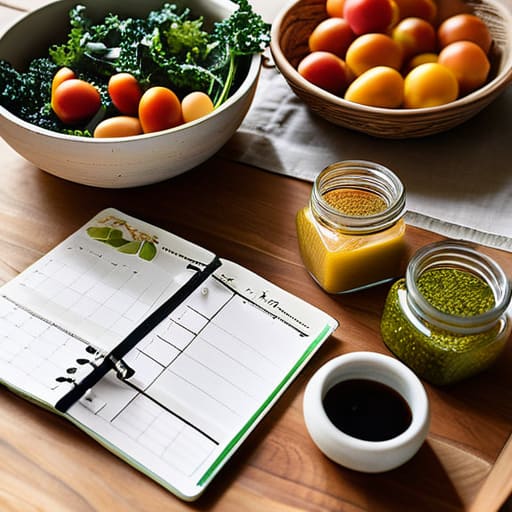
We’ve covered a lot of ground today, from the magic of a well-planned meal schedule to those little shopping habits that keep your budget intact. Remember, saving money on groceries isn’t about deprivation or eating boring meals; it’s really just about intentionality. By taking a few extra minutes to plan your week and staying disciplined while you’re wandering through the aisles, you are effectively reclaiming control over your finances and your time. It might feel like a lot to juggle at first, but once these habits become part of your natural rhythm, you’ll find that the mental load of “what’s for dinner?” starts to melt away.
I know that life can feel incredibly chaotic sometimes, and trying to add “grocery strategy” to your to-do list might feel like just one more thing on your plate. But please, be kind to yourself as you start this journey. You don’t have to be perfect or implement every single tip we talked about right this second. Just pick one small thing to change this week—maybe it’s just writing a quick list or checking your pantry before you head out. Every little win counts toward a more simplified, stress-free life. You’ve got this, and I’m rooting for you every step of the way!
Frequently Asked Questions
What if I'm too busy to meal prep every single Sunday?
I totally hear you—sometimes Sunday feels more like a “recovery day” than a “prep day.” If a full meal prep session feels overwhelming, try “component prepping” instead. Instead of making entire meals, just roast a big batch of veggies or cook some grains. It takes way less time, and you can mix and match them throughout the week for quick, fresh bowls. Let’s keep it flexible and low-pressure!
How do I handle grocery shopping for just one person without wasting so much food?
I totally feel you on this! When you’re shopping for one, those “family size” packs feel more like a burden than a bargain. My best tip? Embrace the frozen aisle! Frozen veggies and fruits are lifesavers because they won’t wilt in your crisper drawer. Also, try “component cooking”—roast a batch of veggies or grains to mix and match throughout the week. It keeps things fresh and way more flexible!
Are there any specific apps or tools you recommend to help track my spending while I'm at the store?
I totally get it—trying to keep math in your head while navigating crowded aisles is a recipe for stress! Personally, I love using YNAB (You Need A Budget) because it’s so intentional, but if you want something quicker for real-time tracking, Mint or PocketGuard are lifesavers. I actually keep a color-coded note in my phone for a quick “running total” too. It’s all about finding the tool that fits your flow without adding more chaos!
