
Have you ever stood in the middle of the grocery aisle, staring at a carton of organic eggs, and felt that sudden, sharp pang of guilt? It’s that sinking feeling when you realize your “quick trip” for milk has somehow turned into a $150 spree that completely ignores how to make a grocery budget actually stick. We’ve all been there—standing under those bright fluorescent lights, wondering where all our hard-earned money went before we even reached the checkout line. Most “budgeting experts” will tell you to track every single cent in a complex spreadsheet, but let’s be real: when you’re juggling a career and a social life, that is just not sustainable.
I’m not here to give you a lecture or a complicated math homework assignment. Instead, I want to share the simple, color-coded systems I’ve developed to help you reclaim your sanity and your savings. I promise to walk you through a realistic, no-nonsense approach to managing your food spending without feeling like you’re constantly depriving yourself of the things you love. Let’s ditch the stress and finally figure out how to make a grocery budget that actually works for your real, busy life!
Table of Contents
Mastering Meal Planning for Savings
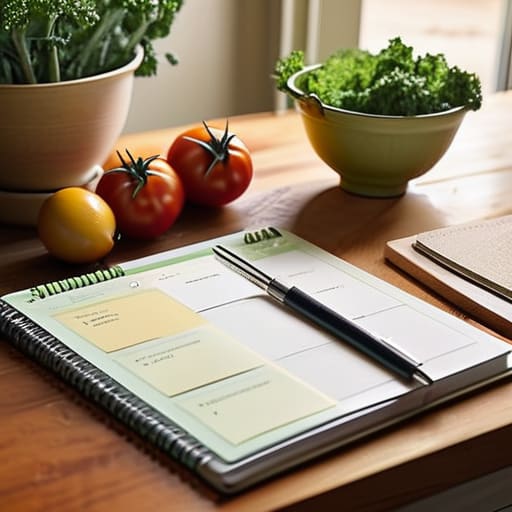
Now, if there’s one thing I’ve learned from my days in corporate life—and my own messy kitchen—it’s that a budget is only as strong as your plan. This is where meal planning for savings becomes your absolute best friend. Instead of wandering aimlessly through the aisles wondering what’s for dinner, I like to sit down with my color-coded planner and map out the week. By deciding on your meals ahead of time, you stop those expensive, last-minute takeout orders from creeping into your budget.
I also swear by the magic of reducing food waste to keep those costs down. There is nothing more heartbreaking (or expensive!) than finding a bag of wilted spinach at the bottom of the crisper drawer. When I plan my meals, I try to “shop the pantry” first, seeing what I already have before adding new items to my list. This simple habit, combined with a little bit of grocery list organization, ensures that every single dollar you spend actually ends up on your plate rather than in the trash.
Your Simple Monthly Food Expense Tracker
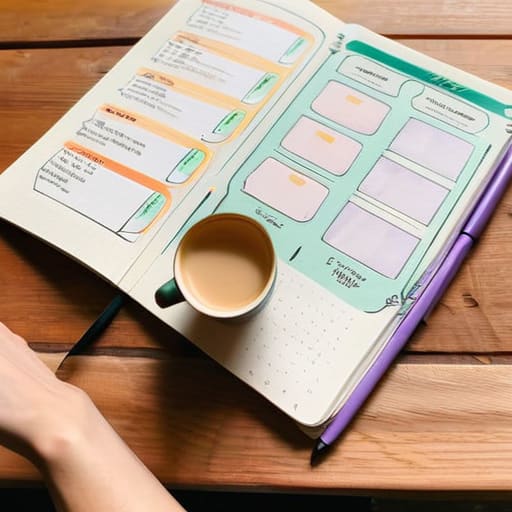
Now, let’s get into the nitty-gritty: actually seeing where your money is going. I know, I know—tracking every single receipt can feel like a chore, but trust me, it’s a total game-changer. Instead of a complex spreadsheet that feels overwhelming, I recommend starting with a simple monthly food expense tracker in your favorite bullet journal. Since I’m a bit obsessed with color-coding, I like to use different highlighters for different categories: one for groceries, one for dining out, and another for those sneaky coffee shop runs. Seeing these colors side-by-side makes it so much easier to spot patterns without doing heavy math.
The real magic happens when you review these numbers at the end of the month. This is where you can see if your meal planning for savings is actually paying off or if those impulse buys are creeping back in. If you notice your “snacks” category is ballooning, you’ll know exactly what to tweak for next month. It’s not about being perfect or restrictive; it’s about gaining clarity so you can spend your hard-earned money on things that actually bring you joy!
My Top 5 Secrets for Staying on Track
- Shop your own pantry first! Before you even touch your grocery list, take five minutes to see what’s hiding in the back of your cupboards. I always find a stray box of pasta or a can of beans that can become a “free” meal, which keeps my budget from creeping up.
- Stick to a strict list (and don’t deviate!). We’ve all been there—walking down the aisle and grabbing that extra bag of artisanal chips just because it looked good. Write down exactly what you need, and treat that list like your golden rule to avoid impulse buys.
- Embrace the power of generic brands. I used to be a bit of a brand snob, but honestly? Most store-brand staples like flour, salt, or frozen veggies taste exactly the same as the name brands. Swapping these out is one of the easiest ways to see immediate savings.
- Never, ever shop while you’re hungry. This sounds like such a cliché, but it’s so true! When I shop on an empty stomach, my cart ends up filled with snacks and convenience foods instead of the actual ingredients I planned for. Eat a quick snack before you head out to keep your focus sharp.
- Use a little color-coding to your advantage. Since I’m a bit obsessed with my planners, I love labeling my grocery list by category—like green for produce, red for protein, and blue for dairy. It makes navigating the store so much faster and prevents that aimless wandering that leads to extra spending!
Quick Wins for Your Grocery Budget
Remember that meal planning is your secret weapon—when you know what you’re eating, you stop making those expensive, last-minute impulse buys.
Don’t let your tracker sit gathering dust; even a quick weekly check-in will help you stay on top of your spending without feeling overwhelmed.
Keep it simple and flexible! A budget shouldn’t feel like a cage, so allow yourself a little wiggle room for those unexpected cravings or special treats.
A Little Food for Thought
“Budgeting for groceries isn’t about restricting your joy or living on plain toast; it’s about reclaiming your time and peace of mind so you can actually enjoy the meals you love without that nagging ‘did I overspend?’ feeling at the checkout counter.”
Clara Hamilton
You’ve Got This!
We’ve covered a lot of ground today, from the magic of strategic meal planning to setting up a tracker that actually fits your lifestyle. Remember, the goal isn’t to achieve perfection or never buy a treat again—it’s about gaining control over where your hard-earned money is going. By mapping out your meals and keeping a simple eye on your spending, you’re turning a chaotic weekly chore into a predictable, manageable system that works for you, not against you.
I know that starting a new habit can feel a little overwhelming at first, especially when life gets messy and your pantry looks like a disaster zone. But please, be kind to yourself! If you slip up and overspend one week, don’t toss the whole plan out the window. Just grab your favorite colored pen, open up your tracker, and start fresh the next time you hit the aisles. You are doing a wonderful job navigating this busy life, and I am so proud of you for taking this step toward more peace and less financial stress. Let’s keep simplifying that chaos together!
Frequently Asked Questions
What should I do if I consistently go over my budget halfway through the month?
Oh, I have been there! Honestly, it’s so easy to let those mid-month impulse buys sneak up on you. If you’re hitting a wall halfway through, don’t panic—just pivot. First, try a “pantry challenge” for a few days to use up what you already have. Then, look at your tracker to see exactly where the leak is. Usually, it’s small, unplanned snacks or takeout. Let’s tighten the belt for a week and reset!
Is it better to shop once a week or do smaller, more frequent trips to stay on track?
This is such a great question! Honestly, it really comes down to your personal rhythm. If you’re a “set it and forget it” kind of person, one big weekly shop is a lifesaver for staying on budget. But, if you find yourself impulse-buying snacks every time you walk into a store, smaller, more intentional trips might be your secret weapon. Personally? I love a weekly haul—it keeps my color-coded meal plan on track!
How can I balance my budget without feeling like I'm missing out on the foods I actually love?
I totally hear you—budgeting shouldn’t feel like a punishment! I used to think I had to cut out all my favorites, but that just leads to burnout. Instead, try the “80/20 rule.” Dedicate 80% of your budget to staples and meal planning, then leave that 20% as a “joy fund” for those specialty cheeses or that fancy coffee you crave. It’s all about intentionality, not deprivation!
