
I still remember sitting at my tiny kitchen table three years ago, surrounded by a sea of crumpled receipts and three different bank statements, feeling that familiar, sinking knot in my stomach. I was staring at my color-coded planner, realizing that while I had every single meeting and coffee date mapped out perfectly, my finances were a complete black hole. I knew I needed to figure out how to build a monthly money routine, but every “expert” video I watched suggested complex spreadsheets that looked more like advanced calculus than actual life advice. It felt like I was being told to run a marathon before I’d even learned how to walk.
I’m not here to sell you on a complicated system that requires three hours of your Sunday and a degree in accounting. Instead, I want to share the exact, bite-sized steps I used to turn my financial chaos into something that actually feels manageable. We’re going to strip away the fluff and focus on a realistic way to track your spending and set your goals without the headache. Let’s get your money working for you, one simple step at a time!
Table of Contents
Simple Monthly Budget Tracking Tips for Busy Bees
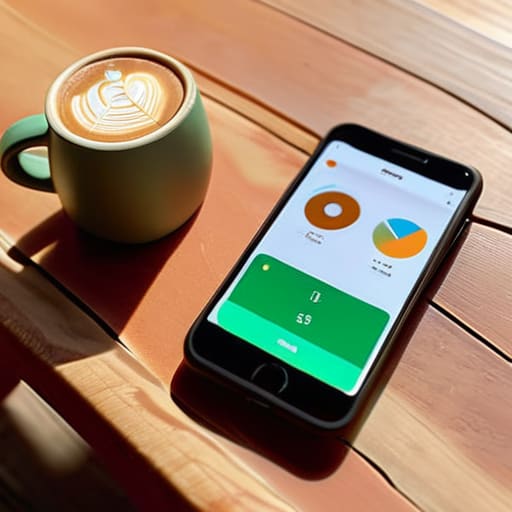
Now, I know what you’re thinking: “Clara, I don’t have hours to spend staring at spreadsheets!” Trust me, I’ve been there, and I promise you don’t need to be a math whiz to stay on top of things. One of my favorite monthly budget tracking tips is to keep it incredibly low-friction. Instead of waiting until the end of the month to face a mountain of receipts, try a “micro-check-in.” Spend just five minutes every Sunday reviewing your banking app. It’s much easier to spot a rogue subscription or an accidental overspend when it’s fresh, rather than trying to reconstruct your entire life three weeks later!
If you’re someone who thrives on organization (like me and my color-coded planners!), you might love setting up a simple personal finance management system that does the heavy lifting for you. I’m a huge fan of using apps that sync directly with your accounts. This allows you to focus more on setting financial goals monthly—like saving for that dream trip to Big Sur—rather than getting bogged down in the manual data entry. Remember, the goal isn’t perfection; it’s just about building a little more clarity for your future self.
Setting Financial Goals Monthly Without the Stress

Now, let’s talk about the fun part: dreaming big without the headache! When we talk about setting financial goals monthly, it’s easy to feel overwhelmed by huge, intimidating numbers. I used to think I needed to save a fortune overnight, but that’s a one-way ticket to burnout. Instead, I like to treat my goals like my bullet journal layouts—small, intentional, and colorful. Start by picking just one or two things you want to achieve this month. Maybe it’s building a tiny emergency cushion or finally saving up for that fancy espresso machine. By focusing on bite-sized wins, you turn daunting tasks into achievable milestones that actually keep you motivated.
To keep the momentum going, I highly recommend integrating some automated savings strategies into your routine. Seriously, if you can set it and forget it, do it! Having a small portion of your paycheck move automatically into a savings account takes the “decision fatigue” out of the equation. This way, you aren’t constantly negotiating with yourself every time you see a cute new pair of shoes. It’s all about building those sustainable financial wellness habits that work for your lifestyle, not against it.
5 Tiny Habits to Keep Your Finances on Track
- Pick a “Money Date” with yourself. Instead of letting bills pile up and causing anxiety, schedule a recurring 20-minute block on your calendar—maybe Sunday morning with a latte in hand—to check your accounts. Making it a ritual makes it feel less like a chore and more like self-care!
- Automate the boring stuff. I’m a huge fan of setting up automatic transfers for your savings and bill payments the day after you get paid. It’s like giving your future self a gift without having to lift a finger.
- Use the “Color-Code Method” for your spending. Since I can’t help but color-code my bullet journal, why not do it with your transactions? Use different categories (like green for groceries or blue for fun) to see at a glance where your money is actually flowing.
- Keep a “Small Wins” log. When you resist a tempting impulse buy or stick to your grocery budget, write it down! Seeing those little victories in your planner builds the momentum you need to stay consistent.
- Do a quick end-of-month “Vibe Check.” Before the new month rolls around, take five minutes to ask yourself: “Did my spending actually make me happy this month?” It helps you adjust your habits so your money aligns with what you truly value.
Quick Wins to Keep Your Money on Track
Keep it simple by picking one tracking method you actually enjoy—whether that’s a color-coded spreadsheet or a quick note in your bullet journal—so it doesn’t feel like a chore.
Set small, achievable monthly milestones instead of staring down massive lifelong goals; it makes the progress feel real and way less intimidating.
Schedule a quick “money date” once a month to check in with yourself, keeping the momentum going without letting the stress pile up.
## A Little Mindset Shift
“Building a money routine isn’t about restricting your life or obsessing over every single cent; it’s about creating a little pocket of peace each month so your finances work for you, instead of you constantly worrying about them.”
Clara Hamilton
You've Got This: Final Thoughts on Your Money Journey

We’ve covered a lot of ground today, from the nitty-gritty of tracking your spending without losing your mind, to setting those big-picture goals that actually make you feel excited about the future. Remember, building a monthly money routine isn’t about achieving perfection or having a flawless spreadsheet right out of the gate. It’s really just about creating consistency and making sure you have a dedicated moment each month to check in with yourself. Whether you’re color-coding your budget in a digital app or jotting down numbers in a beautiful bullet journal, the goal is to remove the guesswork and replace it with a sense of control that lasts.
I know that looking at your bank statements can feel a little daunting sometimes, but I promise you, the clarity you gain is so worth the initial discomfort. Think of this routine as a way of practicing self-care for your future self. You aren’t just managing numbers; you’re building the foundation for the life you want to lead. So, take a deep breath, grab your favorite pen, and just start with one small step this month. I’m rooting for you every single step of the way! Let’s keep simplifying that chaos together.
Frequently Asked Questions
What should I do if I have an unexpected expense that totally blows my budget for the month?
Ugh, I have been there! That sudden car repair or unexpected vet bill can feel like a total gut punch. First, take a deep breath—you aren’t failing! My go-to move is to look at my “wants” for the rest of the month and hit the pause button on those non-essentials. It’s all about pivoting, not panicking. Once the dust settles, we’ll tweak your next month’s plan to help rebuild that cushion. You’ve got this!
Is there a specific day of the week or time of the month that's best for doing these check-ins?
Honestly, there’s no “perfect” rule, but I’m a huge fan of the First Sunday ritual! I love grabbing my favorite color-coded planner and a latte on a quiet Sunday morning to look ahead. If Sundays feel too rushed, try the 1st or the 15th of the month. The goal isn’t to find a sacred date, but to pick a time when you actually feel calm and focused. Just pick a slot and stick to it!
I'm feeling really overwhelmed by my finances—how do I start without feeling like I'm drowning in numbers?
Oh, I hear you! That “drowning in numbers” feeling is so real, and trust me, I’ve been there too. The secret is to stop looking at the whole mountain and just look at your feet. Start small: pick just one category—like your coffee runs or subscriptions—and track that for a week. Don’t worry about the big picture yet. Just one tiny win at a time. We’ve got this!
