
Have you ever walked into a big-box electronics store, looked at the glowing displays, and felt an immediate sense of decision fatigue? I’ve been there, standing under those harsh fluorescent lights, staring at a wall of smart hubs and voice assistants, feeling more overwhelmed than empowered. We’re constantly told that a “smart home” requires the latest, most expensive gadgets on the market, but let’s be real: most of that high-tech hype just adds more clutter to our mental load. Learning how to choose tech for your home shouldn’t feel like studying for a computer science degree; it should be about finding tools that actually give you time back.
I’m not here to sell you on every shiny new toy that hits the shelves. Instead, I want to share a simplified, no-nonsense approach to upgrading your space without the chaos. I’ll walk you through my personal framework for vetting devices, focusing on how they integrate into your existing routine rather than how many bells and whistles they boast. My goal is to help you pick tech that serves your lifestyle, ensuring every new addition is a step toward a more streamlined, peaceful home.
Table of Contents
- Picking Essential Smart Home Gadgets Without the Overwhelm
- Smart Home Ecosystem Compatibility Made Easy for Busy Folks
- 5 simple ways to keep your tech-buying stress-free
- Quick wins for your smart home journey
- ## A little reminder for your tech journey
- Simplifying Your Smart Space
- Frequently Asked Questions
Picking Essential Smart Home Gadgets Without the Overwhelm

When I first started looking into smart tech, I felt like I was drowning in a sea of options. Every gadget promised to change my life, but half of them just ended up being expensive paperweights that I forgot how to use. The secret to avoiding this is to focus on essential smart home gadgets that solve actual problems in your daily routine. Instead of buying every shiny new sensor, ask yourself: “Does this actually save me time or reduce my mental load?” Maybe it’s a smart plug for your coffee maker or a voice assistant to manage your hectic family calendar.
Before you hit “add to cart,” you really need to consider smart home ecosystem compatibility. There is nothing more frustrating than buying a brilliant smart light only to realize it won’t talk to your existing hub! I always suggest picking a “language” first—like Apple HomeKit, Google Home, or Alexa—and sticking to it. This keeps your setup cohesive rather than a chaotic patchwork of apps. Think of it like color-coding your planner; when everything works together in one system, life just feels a lot more seamless and organized.
Smart Home Ecosystem Compatibility Made Easy for Busy Folks
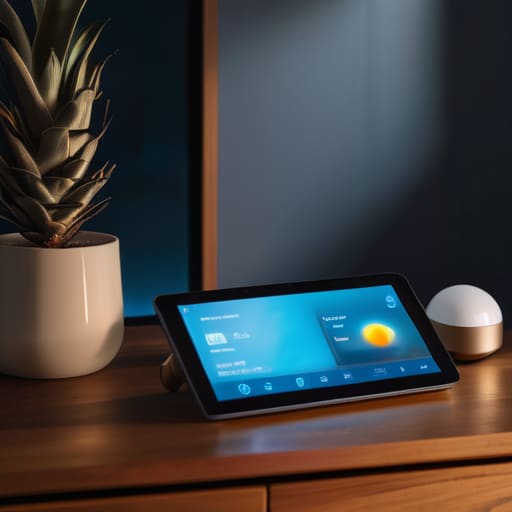
Now, here’s where things can get a little messy if we aren’t careful: the “language barrier” between gadgets. You might find a super cute smart bulb on sale, only to realize it won’t talk to your existing smart speaker. It’s incredibly frustrating to realize you’ve bought something that just sits there, disconnected. To avoid this, I always recommend evaluating home tech connectivity before you hit that “buy” button. Think of it like building a team; you want everyone to be on the same page and working toward the same goal, rather than shouting over each other in different languages.
The easiest way to stay sane is to pick a “center” for your home—whether that’s Apple HomeKit, Google Home, or Amazon Alexa—and stick to it. Focusing on smart home ecosystem compatibility from the start saves you from the headache of managing ten different apps just to dim your lights or lock the front door. Once you have a solid foundation, adding new pieces feels like a breeze instead of a chore. Let’s keep our tech working for us, not adding more tasks to our to-do lists!
5 simple ways to keep your tech-buying stress-free
- Focus on your “pain points” first. Instead of buying every cool gadget on Instagram, ask yourself: “What’s actually annoying me during my daily routine?” If you’re constantly forgetting to turn off lights, a smart switch is a win. If you’re tired of checking the doorbell while you’re in a meeting, get a video doorbell. Let the problem dictate the purchase, not the hype!
- Stick to one “language.” I know, I know, I just talked about ecosystems, but it bears repeating! Before you hit ‘buy’ on that smart plug, double-check if it plays nice with the system you already have. It’s much easier to manage one app than five different ones cluttering up your phone screen.
- Think about the “setup tax.” As someone who loves a good system, I’m a big fan of things that work right out of the box. If a gadget requires a PhD and three hours of troubleshooting just to get it online, it’s going to add more chaos to your life than it solves. Look for “plug-and-play” options whenever possible.
- Don’t forget the “human factor.” Tech should serve you, not the other way around. If a smart device requires you to constantly interact with your phone just to do something simple, it might be too much friction for your lifestyle. The best tech is often the kind that works quietly in the background.
- Budget for the long game. It’s tempting to grab the cheapest smart bulb you see, but I’ve learned the hard way that cheap tech often means more frequent replacements and more glitches. Try to invest a little more in the “anchor” items of your home—like your thermostat or security—to save yourself the headache later!
Quick wins for your smart home journey
Start small by picking one “problem area” in your home to automate, rather than trying to overhaul your entire living space overnight.
Always check for ecosystem compatibility (like Apple HomeKit or Google Home) before you hit that ‘buy’ button to avoid future tech headaches.
Prioritize gadgets that actually save you time or mental energy, not just ones that look cool on a shelf.
## A little reminder for your tech journey
“Remember, the best smart home isn’t the one with the most gadgets on your list; it’s the one that actually gives you back a little bit of your time and peace of mind.”
Clara Hamilton
Simplifying Your Smart Space

At the end of the day, choosing the right tech for your home isn’t about having the flashiest gadgets on the block; it’s about finding tools that actually serve your lifestyle. Remember to start small by identifying your biggest pain points, ensuring that every new device you bring into your sanctuary plays nicely with the ones you already own. By focusing on ecosystem compatibility and avoiding the trap of “shiny object syndrome,” you can build a smart home that feels intuitive rather than intrusive. Keep that checklist handy, and don’t feel pressured to automate everything overnight!
I know how easy it is to feel like you’re falling behind in this fast-paced digital world, but please remember that your home should be your ultimate sanctuary, not another source of stress. Technology is meant to give you back your time, not consume it. So, take a deep breath, move at your own pace, and focus on intentional simplicity. You’ve got this! I can’t wait to hear how your little tech transformations help you reclaim your calm and make your daily routine just a bit more seamless. Happy decorating!
Frequently Asked Questions
Is it worth investing in expensive smart devices right away, or should I start small with just one or two gadgets?
Honestly? Start small! I’m a huge advocate for the “test drive” approach. Jumping into a massive, expensive setup all at once is a recipe for decision fatigue—and let’s be real, it’s a lot of chaos to manage. Grab one or two gadgets that solve a specific daily annoyance, like a smart plug or a light bulb. Once you see how they fit into your flow, you can expand without the stress!
How do I make sure all my new tech stays secure and doesn't become a privacy headache?
I totally get it—the last thing we need is more chaos in the form of privacy scares! To keep things simple, start by changing those default passwords immediately; use a password manager to stay organized. Also, always double-check your privacy settings in each app to see exactly what data is being shared. Think of it like color-coding your security: keep your essential tech locked down and your private info tucked away safely!
Will these devices actually save me time in the long run, or am I just adding more things to manage?
That is such a valid concern! Honestly, if you’re just buying gadgets because they’re “cool,” you’re definitely adding more mental clutter to your plate. To make sure they actually save you time, focus on automation. A smart plug that turns off your lights or a voice assistant that sets your morning timers are game-changers. If it doesn’t automate a repetitive task or remove a friction point in your routine, skip it!
