
Have you ever caught your reflection in a shop window and realized you were basically shaped like a question mark? I’ve been there, hunched over my laptop for hours, feeling that familiar, nagging ache in my upper back. It’s so easy to get lost in the “wellness” noise that tells you that you need a $300 ergonomic chair or a fancy designer brace just to figure out how to improve your posture. Honestly, most of those expensive gadgets are just distractions from the basics. We don’t need more clutter on our desks; we just need to understand how our bodies actually move throughout a busy workday.
I’m not here to sell you a miracle cure or a complicated fitness regime that takes up your entire evening. Instead, I want to share some simple, no-nonsense tweaks that I’ve learned through my own trial and error—and a little bit of my psychology background. We’re going to focus on small, actionable shifts you can make right where you are sitting. My goal is to help you stand a little taller and feel a lot more energized, without adding any extra stress to your already packed schedule.
Table of Contents
Recognizing the Subtle Signs of Poor Posture

Sometimes, the most frustrating thing about poor posture is how sneaky it can be. It doesn’t always start with a sharp pain; instead, it creeps up on you as a dull, nagging ache that you just learn to live with. You might notice you’re rubbing your neck more often after a long afternoon, or perhaps you’ve realized you’re leaning heavily to one side while scrolling through your phone. These are the subtle signs of poor posture that our bodies use to send us a little SOS signal before things get really uncomfortable.
I used to be the queen of the “tech neck.” I’d catch myself completely hunched over my laptop, totally unaware that I was slumping into a rounded shape. If you find yourself constantly rubbing your temples or feeling a weird tension between your shoulder blades, your body is definitely trying to tell you something. Pay attention to those small cues—like a tight jaw or heavy shoulders—because catching these habits early makes the whole process of correcting rounded shoulders so much easier than waiting until you’re actually in pain!
Quick Tips for Correcting Rounded Shoulders
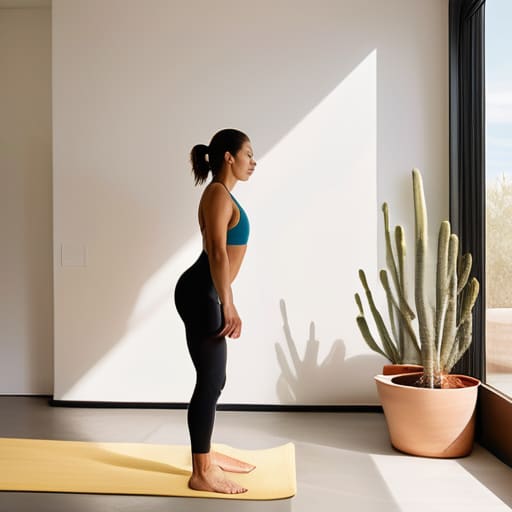
If you’re reading this while hunched over a laptop, consider this your friendly nudge to sit up! Most of us spend hours drifting into that “C-shape” curve, but correcting rounded shoulders doesn’t have to mean an hour at the gym. A quick way to reset is the “Wall Slide.” Stand with your back against a flat wall, arms at your sides in a cactus shape, and slowly slide them upward without letting your lower back arch away. It feels a little awkward at first, but it’s a total game-changer for opening up your chest.
Another lifesaver for those of us glued to our screens is incorporating simple posture exercises for desk workers right into your routine. Try the “Chin Tuck”—it sounds silly, but pulling your head back slightly (like you’re making a double chin) helps realign your neck over your spine. I like to pair this with a quick shoulder blade squeeze, imagining there’s a pencil between your blades that you’re trying to hold in place. These tiny micro-movements make a massive difference in how you feel by 5:00 PM!
5 Tiny Habits to Keep You Standing Tall
- Set a “Posture Check” alarm on your phone or watch. I use a little lavender-colored timer on my phone to remind me every hour to just shake out my limbs and reset my spine. It’s such a quick way to break that frozen, desk-bound feeling!
- Optimize your workspace setup. Since I spend so much time at my laptop, I’ve learned that having your screen at eye level is a total game-changer. If you don’t have a fancy stand, even a couple of sturdy books can do the trick to keep you from peering down.
- Incorporate some gentle “chest openers” into your day. When we’re stressed or typing away, our chests tend to tighten up. Taking just sixty seconds to stretch your arms wide like you’re giving the world a big hug can really help counteract that forward lean.
- Strengthen your core with some simple movements. Think of your core as your body’s natural corset! You don’t need a heavy gym session—just a few minutes of planks or even just focusing on “zipping up” your abs while you walk can make a huge difference in how you hold yourself.
- Mindful walking. Next time you’re heading to grab a coffee or walking to your car, try to feel your weight evenly distributed through your feet. Imagine there’s a tiny, golden string pulling the crown of your head toward the sky. It sounds a bit silly, but it actually works!
Quick Wins to Keep You Upright
Listen to your body’s little cues—if you’re feeling that familiar neck ache or noticing your shoulders creeping toward your ears, it’s your body’s way of saying it’s time to reset.
Small, frequent adjustments are way more effective than trying to fix everything at once; think of it as a series of tiny “posture check-ins” throughout your day.
Focus on creating a workspace that supports you, because even the best intentions can’t fight a desk setup that’s working against your natural alignment.
A Little Shift in Perspective
“Improving your posture isn’t about being perfect or standing like a rigid statue; it’s about listening to your body and giving yourself the space to breathe and move a little more freely throughout your day.”
Clara Hamilton
Bringing It All Together

We’ve covered a lot of ground today, from learning how to spot those sneaky signs of slouching to implementing those quick fixes for your shoulders. Remember, improving your posture isn’t about achieving some impossible, rigid perfection; it’s really just about building awareness in your everyday movements. Whether you’re adjusting your monitor height or taking a quick stretch break during a long Zoom call, every little adjustment counts toward long-term relief. Try to pick just one of these tips to focus on this week—maybe even color-code it in your planner so you don’t forget! Small, consistent tweaks are much more effective than trying to overhaul your entire lifestyle overnight.
I know that when life gets chaotic, the last thing you want to worry about is how your spine is aligned, but I promise you it makes such a difference in how you feel. When you stand a little taller, you aren’t just helping your back; you’re actually boosting your energy and your confidence, too. Think of it as a small act of self-care that pays massive dividends throughout your busy day. You’ve totally got this! Let’s take it one step—and one intentional breath—at a time. I can’t wait to hear how these little changes start making you feel stronger and more energized.
Frequently Asked Questions
I've tried stretching, but how do I actually make these changes stick when I'm stuck at a desk all day?
I totally get it—stretching feels great for five minutes, but then you’re back to the “desk slouch” before your coffee even gets cold! To make it stick, try “habit stacking.” Every time you finish a meeting or hit ‘send’ on a big email, do one quick shoulder roll or a seated stretch. It’s all about those tiny, color-coded cues in your brain to turn movement into a natural part of your workflow!
Are there any specific exercises I can do at home that won't take up too much of my evening?
Oh, I totally hear you! When the day is finally winding down, the last thing you want is a grueling hour-long workout. Let’s keep it simple. Try a few “Wall Angels”—just stand against a wall and slowly slide your arms up and down. It’s a game-changer for opening up your chest! You can even do some gentle seated spinal twists while you’re catching up on your favorite show. Small movements, big impact!
How long does it usually take before I actually start seeing a difference in how I stand?
That is such a great question! I totally get the urge to see results immediately—I’m a bit of a perfectionist myself! Honestly, it’s a journey rather than a sprint. If you’re consistent with those small tweaks, you might feel a bit more “aligned” within a week or two. But for those visible, “wow, you look different” changes? Usually, it takes about 4 to 6 weeks of daily practice. Just keep going!
