
Ever feel like you’re drowning in a sea of half-finished scribbles and digital chaos? I know that feeling all too well. I remember sitting in my first corporate role, staring at a notebook filled with frantic, color-coded scribbles that looked more like modern art than actual information, only to realize I couldn’t decipher a single word ten minutes later. It’s incredibly frustrating when you’re trying to stay organized, but your chosen note taking methods end up feeling like just another chore on an already overflowing to-do list.
I’m not here to sell you on some expensive, over-engineered app or a complex system that requires a PhD to master. Instead, I want to share the simple, tried-and-true strategies that actually work for real people with real lives. We’re going to cut through the noise and find a way to capture your brilliant ideas without the headache. My goal is to help you find a rhythm that sticks, so you can finally clear that mental clutter and focus on what actually matters.
Table of Contents
Mastering the Cornell Note Taking System for Less Stress
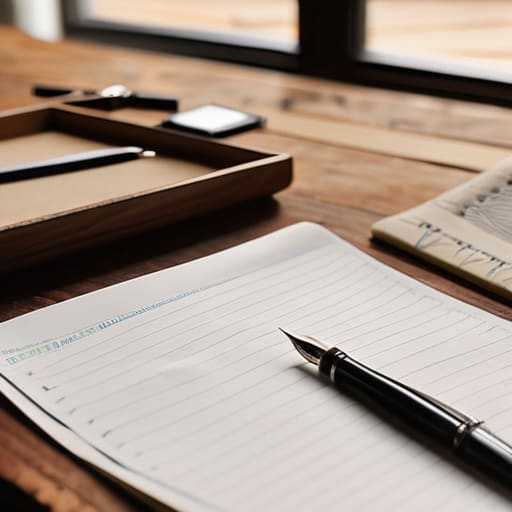
If you’ve ever walked out of a lecture or a meeting feeling like your brain is just a soup of half-remembered sentences, the Cornell note taking system is going to be your new best friend. I used to just scribble everything down in a frantic rush, but this method actually forces you to process information as you hear it. You divide your page into three distinct sections: a narrow column for cues, a wider area for your actual notes, and a summary box at the very bottom. It sounds a bit technical, but it’s honestly a game-changer for organizing lecture notes without the usual post-meeting panic.
The real magic happens when you use those cue columns to turn your notes into a self-testing tool. Instead of just re-reading a wall of text, you look at your keywords and try to recall the details. It’s one of those effective study habits that feels like a workout for your brain, but in the best way possible! By summarizing the main points at the bottom of each page, you’re essentially giving your future self a “cheat sheet” that makes reviewing so much less intimidating.
Digital vs Analog Note Taking Choosing Your Happy Medium
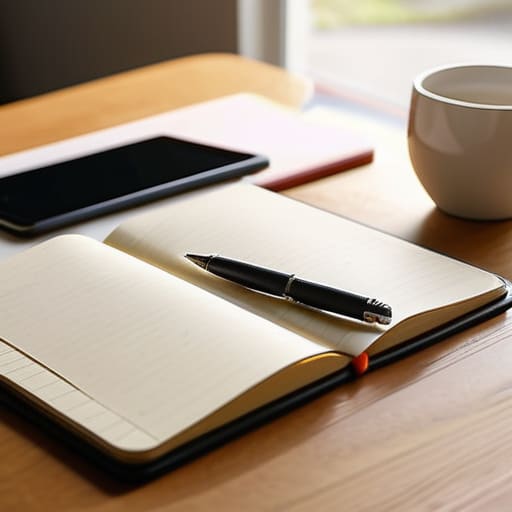
Now, I know what you’re probably thinking: “Clara, I can’t decide! My iPad is right here, but my trusty Moleskine is calling my name.” Honestly, I get it. I’ve spent years oscillating between the two. When it comes to digital vs analog note taking, there really isn’t a wrong answer, only what works for your specific brain on a given day. Digital tools are absolute lifesavers for searching through old files or quickly syncing notes across devices, which is a total game-changer when you’re trying to stay organized on the go.
However, if you’re like me and love the tactile feel of a pen hitting paper, there is something magical about analog. I find that writing things down by hand actually forces me to slow down and engage more deeply with the material. It’s a huge part of my effective study habits because it prevents that mindless typing trance where you’re recording words without actually absorbing them. If you’re feeling stuck, why not try a hybrid approach? Use your laptop for long-form drafting, but keep a small notebook handy for quick sketches or visual note taking strategies that help those ideas really pop!
My secret sauce for making notes that actually stick
- Don’t try to be a stenographer! Instead of writing down every single word your boss or professor says, focus on capturing the big ideas and the “aha!” moments. It keeps you engaged rather than just acting like a human typewriter.
- Embrace the power of color! I know, I’m a bit obsessed, but using a different colored highlighter for deadlines or key terms makes your notes so much easier to scan when you’re in a rush later.
- Always leave some “breathing room” on your page. I like to leave wide margins or extra white space so I can go back later and add thoughts, questions, or even just a little doodle when a new idea strikes.
- Review your notes while the coffee is still warm. Seriously! Taking just five minutes right after a meeting or class to skim through what you wrote helps move that info from your short-term memory into the long-term stuff.
- Find your “signature” symbols. Create a little shorthand system—like a tiny star for important tasks or a question mark for things you need to look up—so you aren’t writing full sentences every time you have a thought.
Quick Wins for Your Note-Taking Journey
Don’t feel pressured to pick just one! The best method is the one that actually makes you feel more organized, not more stressed.
Mix it up by using analog tools for brainstorming and digital apps for long-term storage—it’s all about finding your own perfect rhythm.
Remember, the goal isn’t to have the prettiest notebook (though my color-coded ones are a vibe!), it’s to create a system that actually helps you clear that mental clutter.
My Golden Rule for Notes
“Remember, your notes shouldn’t be a transcript of everything you heard; they should be a roadmap for your future self to find the magic in the chaos.”
Clara Hamilton
Finding Your Flow
We’ve covered a lot of ground today, from the structured magic of the Cornell method to that big, ongoing debate between sticking with a trusty paper planner or going full digital. Whether you find peace in the tactile feel of a pen on paper or the seamless syncing of a tablet, the most important thing is that your chosen method actually works for you rather than becoming just another chore on your to-do list. Remember, there is no such thing as a “perfect” system—there is only the system that helps you clear the mental clutter and keeps your most important ideas right where you can find them.
At the end of the day, note-taking isn’t about being a perfectionist or having the most aesthetic, color-coded spreads (though, as you know, a little color never hurts!). It’s about creating a sense of calm in the middle of a hectic week. Don’t feel like you have to master everything at once; just pick one style and give it a spin this week. You might be surprised at how much lighter your brain feels once you start getting those thoughts out of your head and onto the page. You’ve got this, and I’m rooting for you!
Frequently Asked Questions
I’ve tried a few systems before and failed—how do I actually stick to a method without it feeling like another chore on my to-do list?
Oh, I have been there! Honestly, the moment a system feels like a chore, it’s usually because we’re trying too hard to be “perfect.” My best advice? Start ridiculously small. Don’t aim for a beautiful, color-coded masterpiece on day one. Just pick one tiny habit—like jotting down three key points after a meeting—and stick to that. Let the system grow with you, rather than trying to force yourself into a rigid box!
Is there a specific way to organize my notes so I can actually find what I need when I'm in a rush later?
Oh, I feel this one in my soul! There is nothing worse than frantically flipping through pages when you’re already running late. My biggest tip? Use a “tagging” system. If you’re digital, use keywords; if you’re using your trusty bullet journal, try color-coded stickers or symbols in the margins. I also swear by a dedicated “Index” page at the front. It takes two minutes to set up, but it’s a total lifesaver later!
When should I use a quick scribble versus sitting down for a more structured method like Cornell?
Think of it like this: use a quick scribble for the “brain dumps”—those fleeting ideas or grocery lists that just need to exist so you don’t forget them. But when you’re in a meeting or a lecture where you actually need to learn or act on the info, that’s when you pull out the Cornell method. Save the structure for the big stuff; keep the scribbles for the mental clutter!
