
Ever feel like you’ve spent your entire morning staring at a single email, only to realize three hours have vanished into a black hole of scrolling and sudden, intense interest in how sourdough starter works? I know that feeling all too well. Most “experts” will try to sell you a $50 planner or a complex, multi-step system that requires more discipline than any of us actually possess, but let’s be real: traditional productivity for ADHD advice often feels like it was written for people whose brains don’t constantly want to go on a side quest. If a system feels like a chore, it’s not working for you, it’s just adding more noise to an already loud brain.
I’m not here to give you a lecture or a list of impossible standards to live up to. Instead, I want to share the actual, messy, color-coded strategies that helped me transition from corporate burnout to a life that actually feels manageable. We are going to focus on tiny, actionable wins that work with your brain instead of fighting against it. No fluff, no expensive gadgets—just real ways to tame the chaos so you can finally get things done without the inevitable meltdown.
Table of Contents
Mastering Executive Dysfunction Strategies Together

If you’ve ever stared at a pile of laundry or a mounting inbox and felt physically unable to move, please know you aren’t lazy—you’re likely dealing with executive dysfunction. It’s that frustrating gap between knowing what you need to do and actually being able to initiate the task. One of my favorite ways to bridge this gap is through the body doubling technique. Honestly, even if it’s just hopping on a FaceTime call with a friend while you both fold clothes in silence, having another presence nearby can act like an anchor for your focus.
When that “stuck” feeling hits, it’s often because our brains are hunting for a quick hit of stimulation. We fall into these intense dopamine seeking behaviors, jumping from one shiny distraction to the next just to feel some momentum. To counter this, I love using “micro-wins.” Instead of trying to tackle the whole project, tell yourself you’ll just open the document or wash one single dish. It sounds silly, but lowering the barrier to entry is a total game-changer for getting those gears turning again!
Smart Adhd Task Management for Busy Days

Ever feel like your to-do list is actually just a giant, scary monster staring you down? When you’re dealing with adhd task management, the traditional “just do it” advice is honestly useless. Instead of looking at that mountain of work, I’ve found that we have to trick our brains into starting. One of my favorite ways to combat that initial paralysis is using the body doubling technique. Honestly, even if it’s just hopping on a FaceTime call with a friend or sitting in a coffee shop where others are working, having that “presence” nearby can be a total game-changer for staying on track.
We also need to talk about how our brains crave instant gratification. When we hit a wall, we often spiral into dopamine seeking behaviors—like suddenly deciding that now is the perfect time to deep-clean the spice rack instead of finishing that report. To fight this, try gamifying your boring tasks. Set a timer for just ten minutes or give yourself a tiny reward after completing one small step. It’s all about creating those little wins that keep your momentum going without the burnout!
5 Tiny Tweaks to Help You Find Your Flow
- Try “Body Doubling”—it sounds fancy, but it basically just means working alongside someone else. Whether it’s a friend at a coffee shop or a virtual study buddy, having another person in your orbit can be the magic nudge your brain needs to stay on task!
- Embrace the “Two-Minute Rule.” If a task pops up and it takes less than two minutes (like tossing that laundry in the dryer or answering a quick text), do it immediately. It keeps those tiny chores from piling up into a giant, overwhelming mountain.
- Use Visual Cues Everywhere! Since out of sight often means out of mind for us, try using clear bins for your supplies or a bright, color-coded sticky note on your laptop. If you can see it, you’re way more likely to actually engage with it.
- Set “Micro-Timers” instead of long sessions. Forget the idea of working for three hours straight—that’s a recipe for burnout. Try setting a timer for just 10 or 15 minutes. It feels way less scary to start when you know there’s an end in sight!
- Forgive the “Zero Days.” We all have those days where the brain fog is just too thick to fight. Instead of spiraling into guilt, just acknowledge it, reset, and try one tiny thing tomorrow. Be kind to yourself—you’re doing your best!
Quick Wins to Carry With You
Be kind to your brain—instead of fighting your executive dysfunction, try working with it by breaking huge, scary tasks into tiny, “micro-steps” that feel doable.
Ditch the giant, overwhelming to-do lists and try a more focused approach that prioritizes just a few key tasks to keep that ADHD overwhelm at bay.
Remember that productivity isn’t about being perfect; it’s about finding those small, repeatable systems that actually fit into your unique rhythm.
A Little Reminder for the Overwhelmed
“Productivity isn’t about forcing your brain to work like a neurotypical one; it’s about building a world that finally works for you. Let’s stop chasing perfection and start celebrating those tiny, messy wins!”
Clara Hamilton
You've Got This!
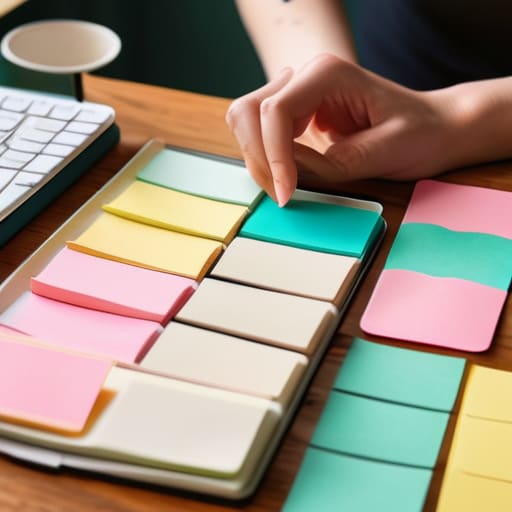
We’ve covered a lot of ground today, from tackling that stubborn executive dysfunction to finding task management hacks that actually work for your unique brain. Remember, the goal isn’t to become a productivity robot or to force yourself into a rigid, neurotypical mold that just doesn’t fit. It’s all about finding those small, sustainable adjustments—like breaking tasks into tiny bites or using color-coded systems—that help you navigate the day without the constant burnout. If you try a new strategy and it flops? No biggie. Just pivot, tweak your approach, and keep moving forward at your own pace.
At the end of the day, please try to be kind to yourself. Your worth isn’t measured by how many items you checked off your to-do list or how “perfectly” you managed your focus today. ADHD can make the simplest tasks feel like climbing a mountain, but every single tiny win is a massive victory worth celebrating. You are doing much better than you think you are, and I am so incredibly proud of you for showing up and doing the work to understand yourself better. Let’s keep simplifying the chaos together, one little step at a time!
Frequently Asked Questions
How do I stop myself from getting stuck in a "doom scroll" when I'm supposed to be working?
Ugh, the doom scroll—I have been there! It starts with “just one quick check” and suddenly an hour has vanished. To break the spell, try the “out of sight, out of mind” trick: physically move your phone to another room. If you need it for work, try using a site blocker or even turning your screen to grayscale. It makes everything look way less stimulating and much easier to put down!
What should I do on the days when my brain just refuses to cooperate, no matter what system I use?
Oh, I have been there—honestly, more times than I’d like to admit! On those days when your brain feels like it’s stuck in heavy fog, stop fighting the system. It’s okay to pivot. Instead of forcing a huge task, try the “Bare Minimum Method.” What is the absolute smallest thing you can do? Maybe it’s just opening a document or clearing one corner of your desk. Be kind to yourself; sometimes, resting is the most productive thing you can do.
Are there any specific color-coding tricks that actually help with focus instead of just being a distraction?
Oh, I hear you! I’ve definitely been there—spending more time picking the perfect pastel highlighter than actually working. To keep it functional, try “category-based coding.” Assign one color to high-priority tasks (like a bold red or orange) and another to low-energy errands. This way, your brain can scan your planner and instantly know the vibe of your day without getting lost in a rainbow. Keep the palette limited to 3-4 colors to avoid sensory overload!
