
Ever feel like you’re staring at a glowing screen and suddenly feeling completely overwhelmed by how much stuff you’re supposed to know? I’ve been there—sitting at my desk with three different tabs open, a lukewarm coffee by my side, and that nagging feeling that I’m just one wrong click away from breaking something. Most “experts” make it sound like you need a computer science degree just to organize your inbox, but let’s be real: most of those overly complicated guides are just noise. You don’t need a massive manual; you just need some practical tech tips for beginners that actually fit into a normal, busy life without causing a meltdown.
I promise you, we aren’t going to dive into any confusing jargon or expensive software that you’ll never use. Instead, I’m going to share the exact, no-nonsense shortcuts I’ve gathered from years of trial and error to help you reclaim your digital sanity. My goal is to give you small, actionable wins that make your devices work for you, rather than the other way around. Let’s strip away the chaos and get you feeling confident and in control of your tech, one simple step at a time!
Table of Contents
Mastering Digital Literacy Basics Without the Headache

I know that staring at a screen full of icons and unfamiliar menus can feel a little overwhelming, almost like trying to read a map in a language you haven’t learned yet. But here’s the secret: you don’t need to be a computer scientist to get the hang of it. When we talk about digital literacy basics, it’s really just about getting comfortable with how things respond to your touch or clicks. Think of it like learning a new recipe; once you know what the basic ingredients are, the rest starts to fall into place!
A great way to start is by focusing on understanding modern gadgets one feature at a time. Instead of trying to master everything at once, pick one thing—like how to organize your apps or how to use a search engine—and practice it for a few days. I personally love to use my color-coded notebook to jot down little “cheat sheets” for things I frequently forget. It’s such a simple way of simplifying technology use that turns a moment of frustration into a tiny, manageable win. You’ve got this!
Simplifying Technology Use for a Stress Free Day
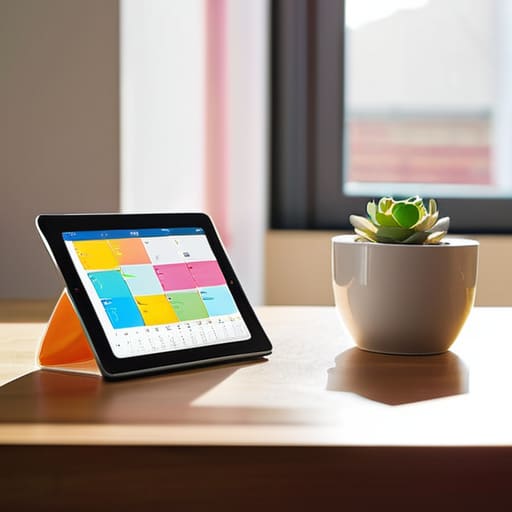
We’ve all had those moments where we stare at a screen and feel like we’re trying to decode a foreign language. It’s totally overwhelming! But here’s the secret: you don’t need to be a coding genius to stay organized. One of my favorite ways to approach simplifying technology use is to stop trying to learn everything at once. Instead, focus on the tools that actually serve your daily routine. Whether it’s setting up a digital calendar to replace those messy sticky notes or mastering a few specific apps, the goal is to make the tech work for you, not the other way around.
I also highly recommend curating your digital environment to reduce sensory overload. If your phone is constantly buzzing with unnecessary notifications, it’s going to drain your mental energy faster than a dead battery! I personally love to color-code my app folders—it sounds a little quirky, I know—but it makes understanding modern gadgets so much more intuitive. When you can find what you need in a single glance, that little spark of tech-induced anxiety just… disappears. Let’s keep things light and manageable!
5 Quick Wins to Reclaim Your Digital Sanity
- First things first—let’s tackle those notifications! I know, I know, seeing those little red bubbles can feel like a tiny shot of adrenaline, but they’re usually just distractions in disguise. Go into your settings and turn off everything that isn’t absolutely vital. Your focus (and your peace of mind) will thank you!
- Don’t be afraid to embrace a password manager. I used to have a dozen sticky notes with passwords scattered everywhere (not very organized of me, right?), but these tools are total lifesavers. They keep everything secure and, more importantly, you’ll never have to hit that “forgot password” button ever again.
- Let’s talk about “Digital Decluttering.” Just like I color-code my bullet journal to keep things clear, I love cleaning up my desktop and phone home screens. Delete those apps you haven’t touched in months and tuck your most-used tools into one easy-to-reach folder. A clean screen equals a much calmer mind!
- Set up a simple “Tech Shutdown” routine. It’s so easy to fall into a scroll-hole right before bed, but it really messes with your sleep. Try setting a “Do Not Disturb” timer on your phone for an hour before you hit the hay. It’s a small boundary that makes a massive difference in how you feel the next morning.
- Use the “Search” function like a pro! Instead of clicking through endless folders or scrolling through your email history, get comfortable with that little magnifying glass icon. Whether it’s on your computer or in your inbox, searching is the fastest way to find exactly what you need without the frantic clicking.
Quick Wins to Keep You Moving Forward
Don’t feel like you have to master everything at once—pick one small digital habit to change this week and celebrate that win!
Remember that technology should work for you, not the other way around, so don’t be afraid to silence those pesky notifications when you need focus.
Keep a little “tech cheat sheet” in your bullet journal for those tricky passwords or steps you always forget; it’s a total lifesaver when you’re in a rush.
My Golden Rule for Tech
“Technology should be a tool that serves you, not a chore that manages you—so don’t be afraid to start small, keep it simple, and remember that every expert was once a beginner just trying to find the ‘on’ button!”
Clara Hamilton
You’ve Got This!
We’ve covered a lot of ground today, from building up those fundamental digital literacy skills to finding ways to actually simplify your daily tech routine. Remember, the goal isn’t to become a coding expert overnight or to master every single new app that pops up on your feed. It’s really just about finding those small, manageable ways to make your devices work for you, rather than feeling like you’re constantly working for them. Whether it’s organizing your desktop or learning a few new keyboard shortcuts, every little step you take is a huge win for your long-term productivity and peace of mind.
If you’re feeling a little overwhelmed right now, please take a deep breath and remember that it is perfectly okay to move at your own pace. Technology is meant to be a tool that enhances our lives, not a source of constant anxiety. Don’t be afraid to stumble or ask for help—even I have to Google things sometimes! Just keep showing up, stay curious, and don’t forget to celebrate the small victories along the way. You are doing much better than you think you are, and I am so incredibly proud of you for taking this step toward a more streamlined, tech-savvy life. Let’s keep growing together!
Frequently Asked Questions
I'm feeling a bit overwhelmed by all the new apps—where's the best place to start without getting lost?
Oh, I feel you! That “app fatigue” is so real. When I’m feeling overwhelmed, I use my favorite rule: the “One-In, One-Out” method. Don’t try to download everything at once! Pick just one specific problem you want to solve—like a messy calendar or a chaotic grocery list—and find one app for that. Master it, color-code it in your planner, and once it feels like second nature, then we can move on to the next!
Are there any simple ways to keep my passwords organized without feeling like I'm constantly forgetting them?
Oh, I feel this one in my soul! I used to have a sticky note graveyard on my desk, and it was a total stress trigger. Honestly, the biggest game-changer is using a password manager. It’s like having a tiny, super-secure assistant living in your phone! If that feels too big of a leap right now, try creating a “passphrase” system—long, easy-to-remember sentences instead of random gibberish. Let’s reclaim that mental space!
How can I tell if a link or an email is actually safe to click on, or is it just paranoia?
Trust your gut! If an email feels slightly “off,” it probably is. Before clicking, hover your mouse over any link to see the actual destination URL in the corner of your screen—does it look legit or like a jumble of nonsense? Also, check the sender’s address closely. If it’s from “[email protected]” instead of “amazon.com,” stop right there! When in doubt, go directly to the official website instead of using the link.
