
Ever feel like you need a PhD in finance just to figure out where your money went last Tuesday? I used to think that learning how to build a starter budget meant I had to sacrifice every latte and weekend brunch to a complex spreadsheet that looked more like a math exam than a life plan. Honestly, the idea that budgeting has to be this stuffy, restrictive, and soul-crushing process is a total myth that keeps so many of us stuck in a cycle of “check the bank balance and pray.”
I’m not here to sell you on some complicated, expensive software or tell you to live like a hermit. Instead, I want to share the exact, simplified framework I used to move from constant money-anxiety to feeling totally in control. I’m going to show you how to create a realistic plan that actually fits into your real, messy life without the headache. Let’s strip away the jargon and get down to the basics so you can finally start breathing a little easier.
Table of Contents
Mastering the Art of Tracking Income and Expenses
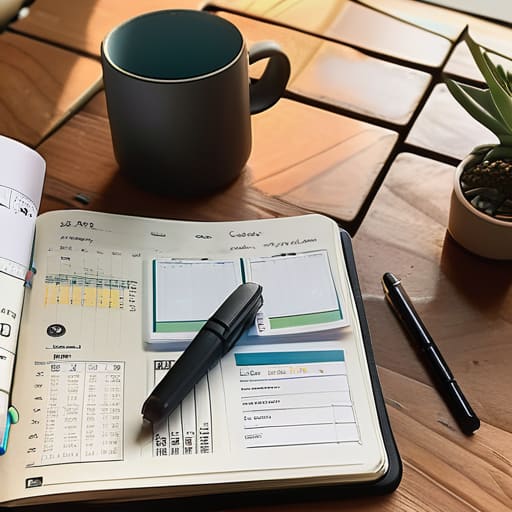
Before we can get into the fun part of planning your future, we have to get real about what’s actually happening with your money right now. Think of tracking income and expenses as the “audit phase” of your new routine. I know, I know—it sounds a little tedious, but I promise it’s the secret sauce! Whether you’re using a sleek app or my personal favorite (a color-coded bullet journal!), you need to see exactly where every dollar is flowing. If you don’t know where your money is going, you’re basically trying to navigate a new city without a map.
Once you have a clear picture of your cash flow, you can start applying some structure. If you’re feeling a bit overwhelmed by the numbers, I highly recommend playing around with the 50/30/20 budgeting rule. It’s a super friendly way to divide your income into needs, wants, and savings without feeling like you’re being too restrictive. The goal isn’t perfection on day one; it’s about building awareness so you can make intentional choices that actually align with your lifestyle.
Simple Monthly Expense Tracking for Busy Bees

Now, let’s talk about the actual “doing” part. I know, I know—the idea of monthly expense tracking can feel like just another chore on an already overflowing to-do list. But here’s a little secret from my organizational psychology days: it’s much easier when you stop trying to be perfect and just start being consistent. You don’t need a complex spreadsheet that looks like a math textbook; you just need a way to see where your hard-earned cash is actually going.
If you’re feeling a bit overwhelmed by the numbers, I highly recommend trying the 50/30/20 budgeting rule. It’s a total lifesaver for busy bees! Basically, you aim to put 50% of your income toward needs, 30% toward wants, and 20% toward savings or debt. It’s a fantastic way of managing personal finances without needing to account for every single cent down to the penny. Whether you use a cute color-coded notebook or a simple app on your phone, the goal is to make it feel like a seamless part of your routine, not a heavy burden.
5 Tiny Tweaks to Make Your Budget Stick
- Give every dollar a job! Instead of just watching money leave your account, decide ahead of time exactly where it’s going—whether that’s for rent, your coffee fund, or your savings goal.
- Embrace the “Needs vs. Wants” color code. I love using my highlighters for this! Label your essentials in one color and your “fun stuff” in another so you can see at a glance where your money is flowing.
- Don’t aim for perfection right out of the gate. Your first month is basically a practice run. If you overspend on groceries, don’t scrap the whole plan—just adjust and try again next month!
- Build in a “Life Happens” buffer. We all have those unexpected car repairs or last-minute birthday gifts. Adding a small, flexible category for random expenses keeps your budget from breaking when life gets messy.
- Schedule a weekly “Money Date” with yourself. Just ten minutes on a Sunday morning with your favorite tea can help you stay on top of things without it feeling like a massive chore.
Quick Wins to Keep Your Budget on Track
Don’t sweat the tiny details—focus on capturing your main spending habits first to build momentum without the burnout.
Use color-coding to make your numbers pop; seeing your “needs” versus “wants” in different hues makes your progress way easier to digest at a glance.
Consistency beats perfection every single time, so even if you miss a few days, just jump back in whenever you can!
A Little Perspective on Your Pocketbook
“Budgeting isn’t about restriction or saying ‘no’ to everything you love; it’s about finally giving yourself permission to spend on what actually matters by clearing away the financial clutter first.”
Clara Hamilton
You've Got This!

We have covered a lot of ground today, from getting a clear picture of your total income to finding those sneaky little expenses that tend to slip through the cracks. Remember, the goal isn’t to achieve perfection overnight or to live a life devoid of any fun; it’s simply about gaining awareness of where your hard-earned money is actually going. By mastering the basics of tracking and setting up a simple system that fits into your existing routine, you are already miles ahead of where you were yesterday. Just keep it consistent, keep it simple, and don’t be afraid to tweak your categories as you learn more about your unique spending habits.
I know that staring down your bank statements can feel a little overwhelming at first, but I promise you, the clarity on the other side is so worth it. Think of this budget not as a restriction, but as a tool that gives you the freedom to say “yes” to the things that truly matter to you. You are taking a huge step toward reducing your mental clutter and building a more intentional life. So, grab your favorite color-coded pen, open up that planner, and let’s turn this financial chaos into a beautifully organized plan together. You’ve totally got this!
Frequently Asked Questions
What should I do if my expenses are higher than my income at the end of the month?
Deep breaths—we’ve all been there! If you’re seeing red at the end of the month, don’t panic. First, let’s grab your color-coded planner and do a quick “audit.” Look for those sneaky little subscriptions or daily lattes that are draining your tank. We need to find a way to either trim the non-essentials or find a way to boost that income. It’s not about perfection; it’s just about finding a better balance!
How do I decide how much money to set aside for "fun stuff" versus actual savings?
This is such a common struggle! I used to feel so guilty spending on a cute new planner, but here’s the secret: a budget that’s too strict will always break. I love the 50/30/20 rule—50% for needs, 20% for savings, and 30% for “fun.” If that feels heavy, start smaller! Just pick a percentage that lets you save for your future while still enjoying a latte today. Balance is key!
Is it better to use a digital budgeting app or stick to a classic paper planner like my bullet journal?
Honestly, there’s no “right” answer—it’s all about what clicks with your brain! If you love the tactile feel of my favorite bullet journal and the mindfulness of color-coding your spending, go paper. It’s super intentional. But, if you’re always on the go, a digital app is a lifesaver for instant tracking. My advice? Try both for a week! See which one feels less like a chore and more like a habit.
