
I remember sitting at my desk three years ago, surrounded by half-finished bullet journals and a mountain of colorful highlighters, feeling absolutely defeated. I had all the “productivity hacks” in the world, but I still couldn’t seem to stick to a single habit for more than a week. It’s that frustrating cycle of starting strong on Monday and completely falling off the rails by Wednesday, isn’t it? We’ve been sold this idea that learning how to be more disciplined requires some sort of superhuman willpower or a complete personality transplant, but honestly, that’s just exhausting and totally untrue.
I’m not here to give you a lecture on grit or sell you a $50 planner that promises to fix your life overnight. Instead, I want to share the messy, realistic strategies I’ve gathered from my years in organizational psychology and my own trial and error. We’re going to skip the fluff and focus on tiny, actionable shifts that actually stick. My goal is to help you build a sustainable rhythm that works with your brain, not against it, so you can finally find your focus without losing your mind in the process.
Table of Contents
- Mastering Habit Formation Strategies Without the Overwhelm
- Tiny Ways of Developing Willpower and Self Control
- Five low-stress ways to keep your momentum going
- Let's wrap this up: Your quick discipline cheat sheet
- A little perspective on the discipline grind
- Finding Your Rhythm
- Frequently Asked Questions
Mastering Habit Formation Strategies Without the Overwhelm

When we talk about habit formation strategies, I think we often make the mistake of trying to overhaul our entire lives in a single Monday morning. We go from zero to sixty, buying all the planners and setting impossible goals, only to burn out by Wednesday. Trust me, I’ve been there (and my color-coded planners from three years ago are proof of my failed attempts!). Instead of aiming for perfection, try the “micro-habit” approach. If you want to start reading more, don’t aim for an hour; aim for one single page before bed. It sounds almost too simple, but the goal is to make the action so small that it’s actually harder to skip it than to just do it.
Building that muscle also requires a bit of goal setting for consistency rather than just chasing big, flashy results. It’s about showing up when you don’t feel like it, which is where the real magic happens. Focus on the process rather than the finish line. When you prioritize the small, repeatable actions, you aren’t just checking boxes; you’re actually building a foundation that won’t crumble the moment life gets messy.
Tiny Ways of Developing Willpower and Self Control

Now, let’s talk about the heavy hitters: willpower and self-control. I used to think these were fixed traits—that you were either born with a “steel will” or you weren’t. But thanks to my background in psychology, I know that’s a total myth! Think of your willpower like a muscle; if you try to lift a hundred pounds on day one, you’re just going to hurt yourself and quit. Instead, we need to focus on developing willpower and self-control through small, manageable wins.
A great way to start is by practicing “micro-choices.” Instead of trying to overhaul your entire life by Monday, try something tiny, like choosing to drink a glass of water before your morning coffee or resisting the urge to check your phone for just ten minutes after waking up. These small victories act as a form of mental toughness training for your brain. By successfully navigating these teeny-tiny moments of resistance, you’re actually rewiring your mind to handle the bigger challenges later on. It’s all about building that momentum without the burnout!
Five low-stress ways to keep your momentum going
- Design your environment to do the heavy lifting. If you want to stop scrolling on your phone, put it in another room. If you want to drink more water, put a cute reusable bottle right on your desk. Make the good habits easy and the distractions a little harder to reach.
- Use the “Five-Minute Rule” when you’re feeling stuck. Tell yourself you’ll only work on that daunting task for five minutes—just five! Usually, once the initial friction is gone, you’ll find it’s much easier to keep going.
- Stop aiming for perfection and start aiming for consistency. I used to think if I missed a day of my routine, I’d failed. But real discipline is about how quickly you get back on track after a slip-up, not about being perfect every single day.
- Time-block your day (but keep it flexible!). Instead of a never-ending to-do list that feels like a mountain, give your tasks a specific home on your calendar. Just make sure you leave some white space in there for life to happen—we aren’t robots, after all!
- Celebrate your small wins with something intentional. Did you finally tackle that mountain of laundry? Treat yourself to a cozy tea or ten minutes of reading your favorite book. Acknowledging your progress keeps that motivation engine humming without the burnout.
Let's wrap this up: Your quick discipline cheat sheet
Forget about massive overnight transformations; focus on those tiny, consistent wins that actually stick.
Protect your willpower like it’s a limited resource—don’t waste it on decisions that your future, organized self can handle automatically.
Be kind to yourself when things get messy, because discipline is a practice, not a perfect streak.
A little perspective on the discipline grind
“Discipline isn’t about punishing yourself into perfection or turning your life into a rigid checklist; it’s actually about being kind enough to your future self to make the small, easy choices today that prevent the chaos tomorrow.”
Clara Hamilton
Finding Your Rhythm
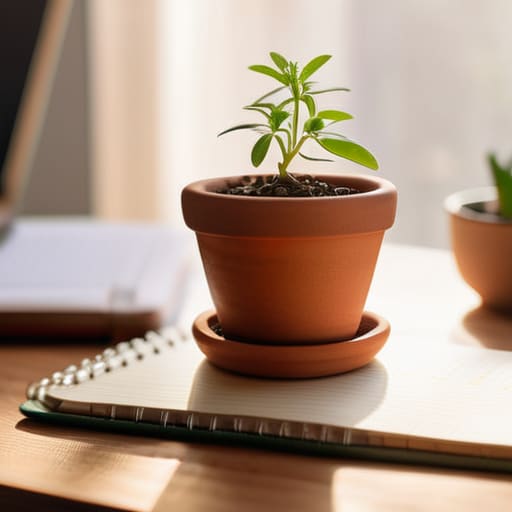
So, where does that leave us? We’ve looked at how to build habits that actually stick without making you feel like you’re running a marathon every single day, and we’ve explored those small, manageable ways to nudge your willpower in the right direction. Remember, discipline isn’t about being a robot or punishing yourself when you slip up; it’s really about building systems that support the person you want to become. Whether it’s color-coding your tasks to make them less intimidating or just choosing one tiny habit to master this week, the goal is to reduce the friction between your intentions and your actions.
If I can leave you with one thing, it’s this: please be kind to yourself on the days when things don’t go according to plan. I know from my own experience—and my messy bullet journals—that progress is rarely a straight line. There will be days when your discipline feels rock solid and days when you just want to hit snooze on everything. That’s okay! The secret isn’t perfection; it’s the willingness to show up again tomorrow. You don’t have to overhaul your entire life by Monday morning. Just take it one small, intentional step at a time, and I promise, you’ll start to see the chaos turn into a beautiful, manageable rhythm. You’ve got this!
Frequently Asked Questions
What do I do when I have a bad day and completely fall off my routine?
First of all, take a deep breath. I’ve been there—staring at a color-coded planner that feels like a total lie because I spent the whole day on the couch. When you fall off the wagon, please don’t try to “make up” for lost time by overworking tomorrow. That just leads to burnout. Instead, just focus on one tiny, easy win. Wash one dish or write one line in your journal. Just reset.
How can I stay disciplined when my job or family life feels totally unpredictable?
I totally get it—it’s hard to stick to a plan when life keeps throwing curveballs. When things feel chaotic, stop trying to follow a rigid schedule. Instead, lean into “modular discipline.” Create tiny, 5-minute versions of your habits that you can do anywhere, anytime. If you can’t do a full workout, just stretch for five minutes. It’s about keeping the momentum alive, even when the world feels a little upside down.
Is it possible to build discipline if I've struggled with consistency my whole life?
Oh, I hear you, and I want to give you a huge virtual hug right now. Honestly? Yes, absolutely. I’ve spent years studying organizational psychology, and I can tell you that consistency isn’t a personality trait you’re born with—it’s a muscle. If you’ve struggled before, it’s likely because you were trying to lift too much too soon. Let’s stop aiming for perfection and start aiming for tiny, manageable wins instead. You’ve got this!
