
Have you ever spent forty-five minutes scrolling through endless, expensive “sleep hack” threads, only to end up feeling more wired and anxious than when you started? I am so over the idea that you need a $2,000 smart mattress or a specialized lavender-infused biohacking ritual to finally get some rest. Honestly, most of the advice out there is just noise that makes the simple act of winding down feel like another chore on your never-ending to-do list. We need to stop overcomplicating how to sleep better and start focusing on what actually works for our busy, real-world lives.
I’m not here to sell you a lifestyle overhaul or a fancy gadget; I just want to help you reclaim your mornings. In this post, I’m sharing the simple, actionable steps I’ve gathered from my own messy journey of trial and error—and a little bit of my organizational psych background. We’re going to break down a few realistic tweaks you can make to your routine tonight to help you actually wake up feeling refreshed. Let’s simplify your bedtime and get you the rest you deserve!
Table of Contents
Simple Sleep Hygiene Practices for Busy Schedules

When life gets hectic, our bedtime routines are usually the first thing to fly out the window. But here’s the thing: implementing a few consistent sleep hygiene practices doesn’t have to feel like another massive chore on your to-do list. I like to think of it as “prepping for tomorrow.” Start by trying to dim the lights about thirty minutes before you want to drift off. This is a total game-changer for melatonin production naturally, helping your brain realize that the workday is officially over and it’s time to wind down.
Another quick win is being mindful of your tech habits. I know, I know—scrolling through social media is our favorite way to decompress, but the effects of blue light on sleep are no joke. It tricks your brain into thinking it’s still daytime! If you can’t put the phone away entirely, try switching to a warmer screen setting. Even small tweaks to your evening ritual can help you fall asleep faster and actually feel rested when that alarm goes off.
Optimizing Your Sleep Environment for Instant Calm
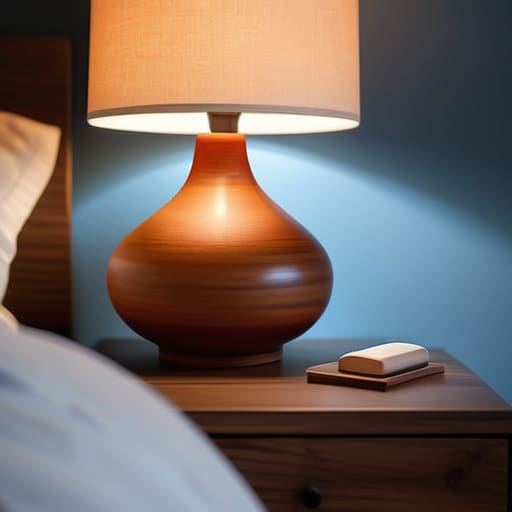
Think of your bedroom as your personal sanctuary—a dedicated space meant only for rest and recharging. If your desk is right next to your bed, your brain might struggle to switch off because it still associates that area with “work mode.” To start optimizing your sleep environment, I highly recommend a decluttering session. I’m a huge fan of color-coding my planners, but when it comes to my nightstand, less is definitely more. Clear away the stray coffee mugs and loose papers to create a visual sense of calm before you even hit the pillow.
Lighting is another huge factor that we often overlook. We all know about the effects of blue light on sleep, but it’s easy to forget how much our screens trick our brains into staying awake. I’ve found that swapping harsh overhead lights for a warm, dim lamp in the evening helps signal to my body that it’s time to wind down. This little shift can be a total game-changer for helping you drift off much faster without tossing and turning for hours.
5 Little Habits to Help You Drift Off Without the Struggle
- Try to stick to a consistent wake-up time, even on those cozy Saturday mornings. I know, it sounds a bit intense, but it really helps your internal clock stay on track so you aren’t tossing and turning all night!
- Watch your caffeine intake in the afternoon. I used to love my 3 PM lattes, but I realized they were totally sabotaging my bedtime, so I’ve swapped them for herbal tea lately.
- Give your brain a “brain dump” before bed. Grab your journal—I love using my color-coded pens for this—and scribble down everything on your mind so you don’t lie awake worrying about tomorrow’s to-do list.
- Put the phone away at least thirty minutes before lights out. That blue light is such a productivity killer, and honestly, scrolling through social media just keeps your mind racing when it should be winding down.
- Incorporate some light movement during the day. You don’t need a heavy workout; even a quick walk around the block can help tire your body out just enough to make falling asleep feel much more natural.
Quick Wins for a Better Night's Rest
Start small with your routine—even just five minutes of dimming the lights or putting your phone away can signal to your brain that it’s finally time to wind down.
Treat your bedroom like a sanctuary; by keeping it cool, dark, and clutter-free, you’re creating a physical space that actually invites relaxation.
Remember that consistency is your best friend, so try to stick to your new habits even on the weekends to keep your internal clock feeling steady and calm.
A Little Reminder for the Restless
“Think of your sleep routine not as another chore on your to-do list, but as a gentle way to tell yourself: ‘You did enough today, and you deserve this rest.'”
Clara Hamilton
Sweet Dreams are Within Reach

We’ve covered a lot of ground today, from tweaking those tiny daily habits to turning your bedroom into a little sanctuary of peace. Remember, it’s not about overhaulng your entire life overnight; it’s about those small, intentional shifts like setting a consistent wind-down routine or dimming the lights to signal to your brain that the day is done. Whether you’re focusing on better sleep hygiene or just organizing your space to feel a bit more zen, every little adjustment counts toward better rest and a clearer mind.
I know how overwhelming it can feel when your to-do list is screaming at you, even as you’re trying to drift off. But please, give yourself permission to unplug. You aren’t a machine, and you deserve this time to recharge. Start with just one of these tips tonight—maybe it’s just putting your phone in another room—and see how it feels. You’ve totally got this, and I’m rooting for you to wake up feeling refreshed and ready to take on the world. Let’s make rest a priority, one night at a time!
Frequently Asked Questions
What should I do if I can't seem to shut my brain off even after I've followed all these steps?
Ugh, I have been there—staring at the ceiling while my brain runs a marathon! When the “brain chatter” won’t quit, try a “brain dump.” Grab your favorite notebook (I love my color-coded one!) and scribble down every single nagging thought or tomorrow’s to-do list. Getting it out of your head and onto paper tells your mind, “Okay, it’s safe to stop thinking about this now.” It’s a total game-changer for finding some peace.
Is it actually okay to catch up on sleep during the weekend, or does that just mess up my whole rhythm?
Ugh, the classic “weekend sleep binge”—I’ve been there more times than I’d like to admit! Honestly, while that extra snooze feels amazing in the moment, it can actually throw your internal clock into a total tailspin. It’s like giving yourself jet lag every Monday morning. Instead of sleeping in late, try waking up just an hour later than usual. It keeps your rhythm steady while still giving you that much-needed extra rest!
How much of a difference does things like caffeine or late-night snacking really make for my sleep quality?
Honestly, it makes a massive difference! I used to think my late-night snack was just a little treat, but it was actually keeping my body working overtime when it should have been resting. And caffeine? Even that afternoon latte can linger in your system way longer than you’d think. Try cutting back on the caffeine by midday and keeping those late-night bites light—your brain (and your morning self!) will definitely thank you.
