
Ever feel like you need a PhD in electrical engineering just to walk into a tech store? I’ve been there, staring at a wall of glowing screens, feeling completely overwhelmed by all the jargon about gigahertz and RAM. Honestly, the tech industry loves to make things complicated so they can sell you a thousand features you’ll never actually use. It’s exhausting! I used to think that learning how to choose the right phone meant comparing every single technical spec on a spreadsheet, but that’s just a one-way ticket to decision paralysis and a lighter wallet.
I’m not here to geek out over numbers that don’t change your daily life. Instead, I want to help you cut through the marketing noise and find a device that actually supports your workflow without adding more chaos to your day. I’m going to break this down into simple, actionable steps based on what I’ve learned from years of balancing a busy freelance schedule. We’re going to focus on what truly matters—like battery life and ease of use—so you can grab a phone that fits your life without the headache!
Table of Contents
Picking Your Side in the Smartphone Operating Systems Comparison

Now, let’s get into the big debate: iOS versus Android. This is where most people start to feel a little overwhelmed, but think of it like choosing a workspace. If you love a system that is sleek, intuitive, and works seamlessly with your other Apple gadgets, you’ll probably gravitate toward iPhone. It’s like having a perfectly organized, color-coded planner where everything just clicks into place.
On the other hand, if you’re someone who loves to tinker, customize every little detail, and have a massive variety of hardware choices, Android is your best friend. When you’re doing a smartphone operating systems comparison, it really boils down to how much control you want over your digital environment. Some people want a “set it and forget it” vibe, while others want to tweak every setting to perfection.
Just a quick tip from my side: don’t get too caught up in the brand loyalty wars! Instead, ask yourself if you value a closed, highly polished ecosystem or the unmatched flexibility that comes with a wider range of devices. Once you know your style, the rest of your decision becomes so much easier.
Budget vs Flagship Smartphones Finding Your Sweet Spot
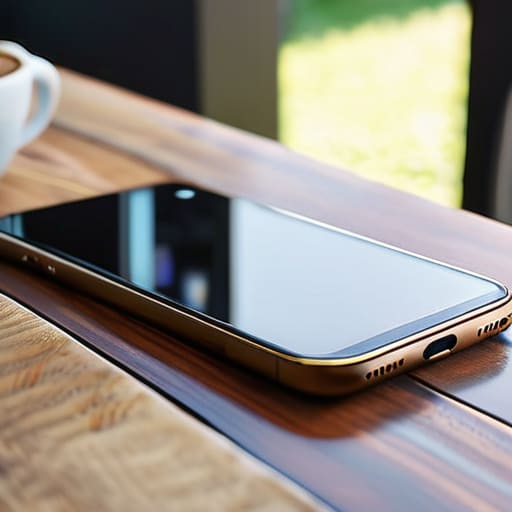
Now, let’s talk about the elephant in the room: the price tag. It’s so easy to get swept up in the hype of the latest shiny gadget, but when we’re looking at budget vs flagship smartphones, the goal isn’t necessarily to own the most expensive tech on the market—it’s to find what actually serves you. If you’re mostly using your phone for scrolling through social media, checking emails, or catching up with friends, you probably don’t need a top-of-the-line processor that costs a month’s rent.
However, there is usually a trade-off involved. When you opt for a more affordable model, you might notice a dip in camera quality vs price. If you’re the type of person who documents every single brunch and sunset, that extra investment in a flagship might actually be worth the peace of mind. I always tell my clients to audit their daily habits first. Are you a heavy gamer, or do you just need something reliable for navigation and music? Once you know your “must-haves,” you can stop overpaying for features that will just end up gathering digital dust.
5 quick ways to narrow down your search
- Be honest about your “must-haves” vs. “nice-to-haves.” Do you actually need a professional-grade camera for your side hustle, or is a decent selfie lens enough for your Sunday brunch snaps? Knowing this saves you from paying for features you’ll never touch!
- Think about your daily “hand feel.” I know it sounds silly, but if you’re constantly on the go, a massive screen might feel like a brick in your pocket. Try to hold a few different sizes in a store if you can—it makes a huge difference for long-term comfort.
- Don’t ignore the battery life! There is nothing more stressful than seeing that 5% warning right when you’re trying to navigate a new city. Check reviews specifically for battery longevity so your phone doesn’t die before your workday is even over.
- Consider your existing ecosystem. If all your photos, notes, and playlists are already tucked away in one ecosystem, jumping to a different one can feel like a massive chore. Stick with what feels intuitive to keep your digital life feeling simple and organized.
- Look at the long game with software updates. A phone is a big investment, so make sure the brand you’re picking promises plenty of years of security and software updates. You want a device that stays snappy and safe, not one that feels outdated in twelve months!
Quick Wins: Your Smartphone Cheat Sheet
Don’t get caught in the “spec trap”—focus on the features you’ll actually use every day, like battery life or camera quality, rather than getting overwhelmed by numbers.
Pick an ecosystem (iOS or Android) that plays nice with the tech you already own to keep your digital life feeling seamless and organized.
Find your happy medium by deciding if you truly need a high-end flagship or if a mid-range phone can handle your routine without breaking the bank.
My Golden Rule for Tech Shopping
“At the end of the day, your phone shouldn’t be a source of stress or a complicated puzzle to solve; it should just be the tool that fits seamlessly into your daily rhythm and makes your life a little bit easier.”
Clara Hamilton
Finding Your Perfect Match

So, we’ve covered a lot of ground today! From deciding whether you’re an iOS loyalist or an Android explorer, to figuring out if you actually need that ultra-expensive flagship or if a mid-range gem will do the trick, the goal was always the same: clarity. Remember, there isn’t one “perfect” phone that exists in a vacuum; there is only the phone that actually fits your daily rhythm and your budget. Don’t get caught up in the hype or feel pressured to buy the most expensive gadget on the shelf just because it’s trending. Focus on the features that make your life easier—whether that’s a battery that lasts through your longest days or a camera that captures your favorite memories without a struggle.
At the end of the day, your phone is just a tool meant to serve you, not the other way around. Don’t let the endless stream of technical jargon and marketing buzzwords turn what should be an exciting upgrade into a source of stress. Take a deep breath, trust your gut, and choose the device that feels right for you. You’ve got this! Once you find that sweet spot, you can get back to the much more important parts of your life—the real, unscripted moments that happen beyond the screen. Happy hunting!
Frequently Asked Questions
I know I need a good camera, but how do I actually tell which phone takes better photos without being a tech expert?
Don’t let those confusing megapixel numbers scare you! Honestly, specs can be super misleading. My best tip? Skip the charts and head to YouTube. Search for “[Phone Model] camera test” and watch real-world footage. Look closely at how the colors look in sunlight versus indoors, and check if the photos look “grainy” in the dark. It’s way more helpful to see actual results than to guess based on a technical manual!
How much storage do I really need so I'm not constantly deleting apps and photos every two weeks?
Ugh, the dreaded “Storage Full” notification—I’ve been there, and it is such a productivity killer! Honestly, if you’re a casual user who just scrolls social media and snaps the occasional sunset, 128GB is your new best friend. But, if you’re a photo junkie or love downloading huge games, aim for 256GB. Trust me, investing that extra bit now saves you from the headache of deleting precious memories later!
Should I be worried about how long the battery actually lasts, or is that just something companies use to hype up their phones?
Oh, I totally get the skepticism! It definitely feels like marketing hype sometimes, but honestly? Battery life is one of those things that can actually make or break your daily flow. There is nothing more stressful than seeing that little red bar when you’re halfway through a busy afternoon. Don’t get caught up in the massive numbers, though—focus on how the phone fits your habits so you aren’t tethered to a charger all day!
