
I still remember sitting at my kitchen table back in my college days, staring at a mountain of colorful, overly complicated “financial literacy” workbooks that promised to turn my toddler into a Wall Street pro by age five. Honestly, it felt so exhausting and totally disconnected from real life. We don’t need expensive, jargon-heavy courses or those rigid, scary lectures to understand the basics; we just need to figure out how to teach kids about money in a way that actually sticks when they’re out in the real world.
I’m not here to give you a textbook lecture or a list of impossible financial goals. Instead, I want to share the simple, bite-sized strategies I’ve gathered from years of studying how we actually behave—and how we can make these lessons feel like part of the daily flow rather than a chore. We’re going to skip the fluff and focus on actionable, easy-to-follow steps that turn tiny piggy banks into lifelong habits. Let’s simplify the chaos and get your kiddos feeling confident with their cash, one small win at a time!
Table of Contents
Financial Education for Toddlers Starting Small and Sweet

Financial education for toddlers: starting small and sweet
Now, I know what you’re thinking—toddlers? They can barely tie their shoes, let alone manage a bank account! But honestly, this is where the magic happens. At this age, it’s not about math equations; it’s about sensory experiences. When we focus on financial education for toddlers, we’re really just helping them understand the concept of “more” versus “less.” I love using clear jars instead of opaque piggy banks. When they can actually see those colorful coins piling up, it turns an abstract concept into something real and exciting.
Try making a game out of your grocery trips. Instead of just grabbing items, let them help you pick between two different brands of crackers. It’s a tiny, low-stakes way of teaching children the value of money and making choices. You aren’t teaching them complex economics; you’re simply showing them that every choice has a different result. Keep it light, keep it visual, and most importantly, keep it fun! If they associate “money talk” with a playful game, they’ll be way more open to the bigger stuff later on.
Teaching Children the Value of Money Through Play
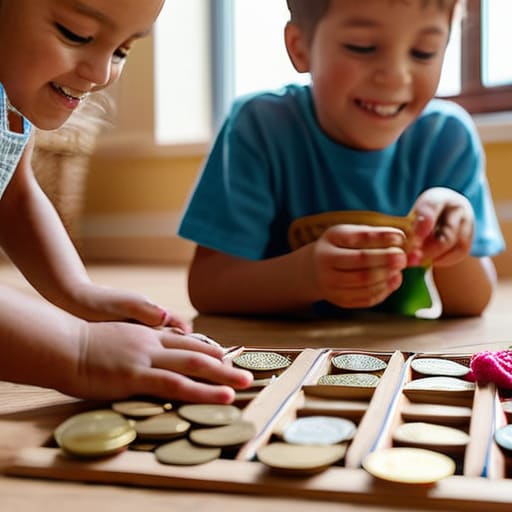
Now, let’s get to the fun part! One of my favorite ways to tackle this is through play. You don’t need a classroom or a textbook; you just need a little imagination. Setting up a “pretend grocery store” in your living room is a total game-changer. Give your little ones some play money and some empty food boxes, and suddenly, they’re practicing teaching kids about saving and spending without even realizing it’s a lesson! It turns a complex concept into a hands-on game that keeps them engaged.
You can also try “restaurant night” at home. Let them be the servers and use a pretend menu with prices to “charge” you for your meal. This is such a gentle way of teaching children the value of money because they see the direct connection between a service provided and the cost involved. When they see that every little item has a price tag, it starts to click in a way that a lecture never could. Plus, it’s a great way to bond over a silly, creative evening!
5 simple ways to bring money talk into your daily routine
- Introduce the “Three Jar System.” Instead of one big piggy bank, grab three clear jars and label them: Save, Spend, and Give. Using clear jars is a total game-changer because kids can actually see their money growing, which makes the concept feel much more real!
- Make grocery shopping a mini-lesson. Next time you’re at the store, give them a small budget for a specific snack or fruit. Let them help you compare prices between two different brands—it’s a super low-pressure way to introduce the idea of making smart choices.
- Be an open book (within reason!). You don’t need to share your bank statements, but letting them hear you say things like, “We’re choosing this brand because it’s a better value,” or “We’re saving up for our summer vacation,” helps them see that money is a tool used for planning.
- Master the art of the “Wait List.” If they see a cool new toy and immediately want it, suggest a “wait one week” rule. This is such a great way to teach impulse control and helps them distinguish between a “must-have” and a “just-a-want.”
- Connect saving to real-life rewards. If they’ve been working hard on a goal, help them track their progress in their journal (or a colorful chart on the fridge!). Seeing that visual connection between their effort and their savings makes the whole process feel so much more rewarding.
Quick wins for your family's money journey
Keep it hands-on! Whether it’s a piggy bank for a toddler or a pretend shop for older kids, learning through play makes the big concepts feel way less scary.
Be the example they need. Our kiddos are like little sponges, so let them see us making smart, thoughtful choices with our own spending and saving.
Start early and keep it simple. You don’t need a massive lecture—just tiny, consistent conversations that grow right along with them as they get older.
A little wisdom for the journey
“Teaching kids about money isn’t about the math or the lectures; it’s about turning those everyday ‘can we buy this?’ moments into tiny, colorful lessons on patience and making choices that actually matter.”
Clara Hamilton
Wrapping It All Up

At the end of the day, teaching our little ones about finances isn’t about memorizing complex math equations or sitting through long, boring lectures. It’s really about those small, consistent moments—whether you’re playing a make-believe grocery store game with a toddler or helping a school-aged kid decide between a new toy and saving up for something bigger. By starting small and keeping things playful and hands-on, we are laying a foundation that makes the “grown-up” stuff feel much less intimidating later on. Remember, it’s all about building confidence through experience rather than just following a strict set of rules.
I know it can feel a bit overwhelming to juggle parenting and these big life lessons at the same time, but please be kind to yourself! You don’t have to be a financial expert to guide your kids; you just have to be present and willing to learn alongside them. Every little conversation about a piggy bank or a grocery receipt is a step toward a more secure and empowered future for your family. Let’s keep simplifying the chaos and making these big life skills feel like just another part of our wonderful, messy daily routines. You’ve got this!
Frequently Asked Questions
What if my kids keep asking for things we just can't afford right now?
Ugh, I feel you! This is one of the toughest parts of parenting. When that “I need this!” moment hits, try to stay calm and avoid the guilt trip. Instead of a hard “no,” try “not right now.” Use it as a gentle teaching moment! You can say, “That looks awesome, but it’s not in our budget this month. Let’s add it to our ‘Wish List’ for later!” It turns a rejection into a lesson in patience and planning.
Should I give them actual cash to hold onto, or is there a better way to track their savings?
This is such a great question! Honestly, I’m a huge fan of using actual cash for younger kiddos. There’s something so tactile and “real” about seeing those colorful bills or shiny coins pile up in a clear jar—it makes the concept of saving feel way more tangible! As they get a bit older, though, we can transition to simple apps or even a dedicated debit card to help them track their digital spending without the chaos.
At what age should we start talking about more "grown-up" stuff like bank accounts or debit cards?
I’d say once they hit that “tween” stage—around ages 10 to 12—is the sweet spot! It’s that perfect window where they’re starting to want more independence but still need us to guide the way. Instead of jumping straight into a heavy lecture, try introducing a simple debit card or a kid-friendly banking app. It turns those “grown-up” concepts into a hands-on way for them to practice real-world decision-making!
